


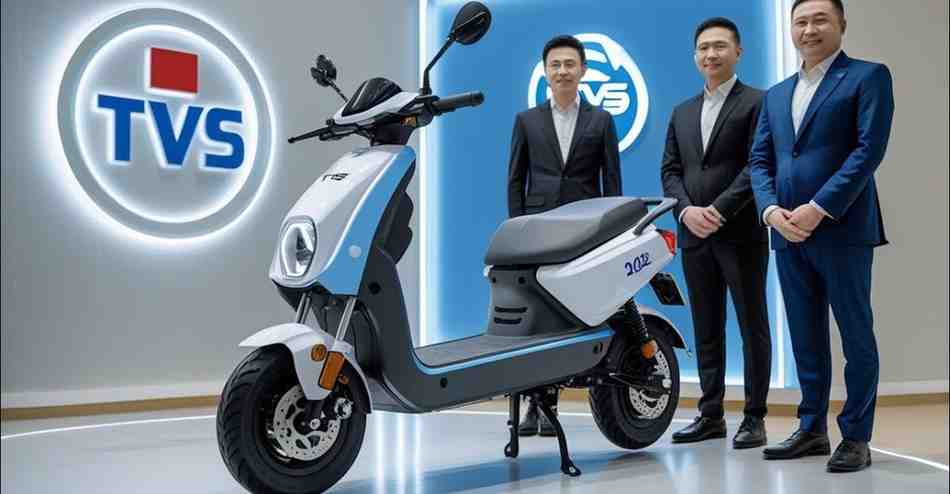
TVS has refreshed the iQube for 2026 with a modern design, larger battery and intelligent connectivity — now promising up to 120 km of practical city range on a single charge.
Fresh design and improved practicality


The 2026 iQube gets a clean design overhaul. TVS has given the scooter sleeker bodywork, sharper LED headlights and a more aerodynamic silhouette that reads modern without being showy. The side panels flow into a sportier tail section and there are new colorways and alloy wheel designs that add visual polish.
Practical updates include a longer, better-padded seat for both rider and pillion, and a roomy under-seat compartment that swallows everyday essentials. Ergonomics are tuned for city traffic — a relaxed riding posture, well-positioned handlebars and a broad footboard for easy city manoeuvres.
Powertrain and real-world range

The headline figure for the 2026 model is an improved battery and a more efficient electric motor that together deliver up to 120 km of real-world range per charge. That makes the iQube a compelling daily driver for most city routines — office commutes, school runs and short intercity hops.
Acceleration is designed to be smooth and predictable, with instant electric torque for quick takeoffs at junctions. The motor stays quiet under load and the scooter’s thermal management keeps performance consistent during longer rides.
Key performance points
- Estimated real-world range: up to 120 km
- Fast-charge support: 0–80% in under 4 hours
- Smooth, responsive throttle and quiet operation
Smarter cockpit — display and connectivity
TVS has upgraded the dashboard to a full TFT digital display that shows ride stats at a glance. Smartphone connectivity brings turn-by-turn navigation, live battery monitoring and ride logs through a companion app. In practical terms, that means you can check estimated range, locate charging points and view detailed trip history without fumbling with third-party solutions.
These connected features make the iQube feel more like a compact, smart vehicle than a basic scooter — ideal for commuters who value information and convenience.
Safety and ride quality
Safety has been addressed with features suited to urban riding: combined braking system (CBS) for more balanced stopping, tubeless tyres that reduce the chance of sudden deflation, and bright LED lighting for improved visibility. Suspension tuning focuses on city-friendly compliance, soaking up potholes and speed ramps while keeping the scooter stable at typical urban speeds.
Price and ownership
The 2026 iQube is expected to target the premium-mass EV segment. Indicative pricing sits in the range of ₹1.30–1.50 lakh (ex-showroom), depending on battery pack and variant choice. For many buyers, EMI plans start at roughly ₹4,000–₹4,500 per month on a five-year loan — an accessible proposition for first-time EV buyers and regular commuters.
Factor in existing state and central EV incentives, and the on-road cost can become even more attractive. TVS is also likely to offer warranty and battery care packages that reduce long-term ownership concerns.
Who should consider the 2026 iQube?
This updated iQube is a fit for city dwellers who want a practical, tech-savvy scooter that can handle daily demands without constant charging. It’s well suited to:
- Office commuters seeking low running costs and low maintenance
- Couples or small families who need comfortable pillion seating
- Urban riders who value connectivity and navigation features
Final verdict
With a longer battery, smarter tech and a more modern look, the 2026 TVS iQube is a convincing step forward for TVS in India’s expanding electric scooter market. It blends everyday practicality with desirable features, closing the gap between utility and style. For anyone moving to an electric two-wheeler for the first time, or upgrading from an earlier EV, the new iQube is a strong, well-rounded choice.
1 thought on “2026 iQube Review: The Next-Generation Electric Scooter for Urban India”